Dubai, United Arab Emirates
When to go to Dubai: winter sun, the heat and where to stay
Sunny winters, brutal summers and a city built on records. Here is when I would go to Dubai, and how I would plan the trip.
Links to Booking.com on this page may earn us a commission, at no extra cost to you.
Dubai is one of the easiest winter-sun trips from the UK, but the timing matters more here than almost anywhere. Go in January and you get warm, comfortable days. Go in August and you'll spend much of your trip indoors. I'll go through the seasons, how to get in from the airport and which area suits which kind of trip.
If you want the quick version, our Dubai guide has the essentials. This is the slower, chattier companion to it.
When to go
Winter is the comfortable season. The UAE government describes winter temperatures of 18 to 25 degrees with the lowest humidity, and summer temperatures of 35 to 41 degrees with humidity between 60 and 100 per cent. That's a big gap, and it explains why the calendar looks the way it does.
Our guide marks November to March as the best months and April and October as good, with May to September the quiet, cheaper season. Visit Dubai puts June at an average of 34 degrees and April at 28, with smaller crowds than in peak season, and it advises planning outdoor activities for early morning or evening in summer.
The trade-off is simple. Winter has the best weather and the highest prices. April and October sit in between. Summer is cheap for a reason, so only go then if you're happy with indoor days.
Getting in from the airport
The Dubai Metro's Red Line serves Terminals 1 and 3, which makes the airport one of the easier ones to leave without a taxi. Metro hours at the airport run from 5am to midnight Monday to Thursday and Saturday, until 1am on Friday, and from 8am to midnight on Sunday.
The nol card pays for the Metro, buses, the tram, some marine transport and taxis. Tourists can use a nol Red ticket, valid for 90 days. Tap in and tap out at metro gates, as failing to do so carries a fine.
Entry, dress and money
According to GOV.UK, your passport must be valid for at least six months after arrival, and a free visitor visa is issued on arrival, valid for up to 90 days in a 180-day period. Rules change, so check the live page before you fly. GOV.UK also advises modest dress in public areas, with women covering shoulders and knees in malls. Swimwear belongs on beaches and at pools. The local currency is the UAE dirham (AED).
Do the outdoor things early and the indoor things at midday. In Dubai, the clock matters as much as the calendar.
Where to stay
Dubai is spread out, so choose a base by the sights you want and how you plan to get around. Our guide names four areas.
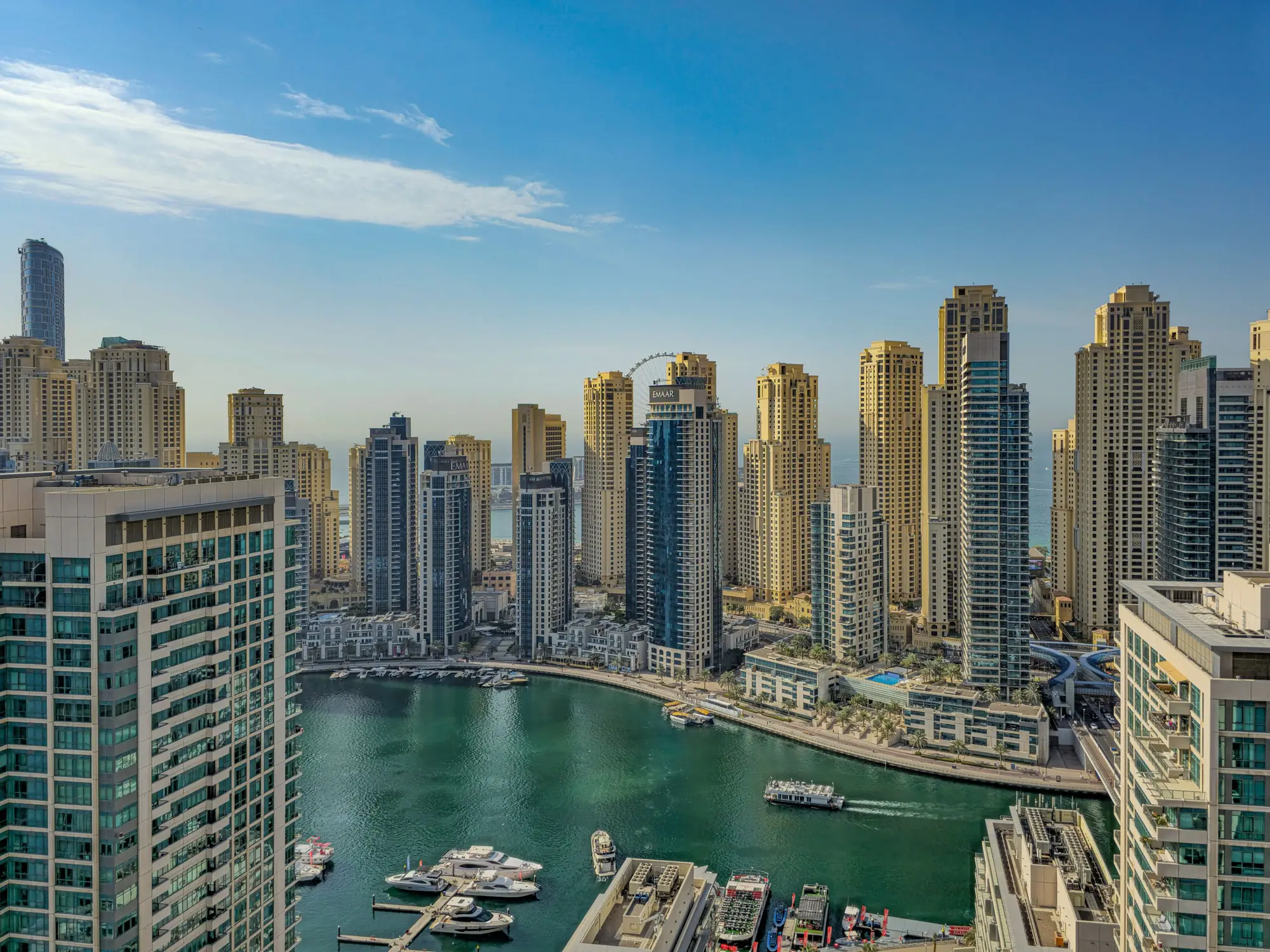
Downtown Dubai is the district around the Burj Khalifa and Dubai Mall, and the pick for first-timers who want the landmarks on the doorstep. The Red Line of the Metro links it with the rest of the city. See places to stay in Downtown Dubai.
Jumeirah is the coastal strip, and the best base if beach time is the point of the trip. The Jumeirah Mosque, with its white marble dome and minarets, is a common photo stop. See places to stay in Jumeirah.
Bur Dubai is the west bank of Dubai Creek and the best base for heritage. Al Fahidi is described as the oldest district in Dubai, and the abra crossing is right there. See places to stay in Bur Dubai.
Deira is the east bank of the creek, close to the Gold Souk and the Spice Souk, and a good choice if you like markets. See places to stay in Deira.
How many days, and what to do
Four or five nights is the classic Dubai stay. It gives you time for the towers, the creek and the souks, and a day at the beach. With a week, add a second beach day and a morning at the Dubai Frame, and spread the outdoor sights over early mornings and evenings if it's hot.
The modern city. The Burj Khalifa is the tallest building in the world at 828 metres, and it opened in 2010 next to Dubai Mall. Its observation decks are on the 124th and 125th floors and on the 148th. The Dubai Frame in Zabeel Park is 150 metres high and 93 metres wide, with a Sky Deck that includes a glass walkway.
The old city. Cross the creek by abra, a traditional boat that runs between Bur Dubai and Deira every few minutes from 6am, according to Visit Dubai. Nol cards work on the standard abra but not the electric one. Then wander Al Fahidi, and the Gold Souk and Spice Souk on the Deira side, which are close to the water.
A few small things that help
- The Metro and the abra cover the old city and the main sights, and a nol card pays for both, so they're an easy way to save money.
- Dubai is a driving city, but you can see a lot without a car if you choose your base well.
- Winter is peak season, so settle your dates early and compare rooms before prices climb.
That last point matters most. If you only do one thing after reading this, pick your month and look at places to stay now. Our collections also gather more winter-sun ideas if you're still choosing.
Planning this trip? Read our Dubai guide for the full picture.
Links to Booking.com on this page may earn us a commission, at no extra cost to you.