
Tenerife
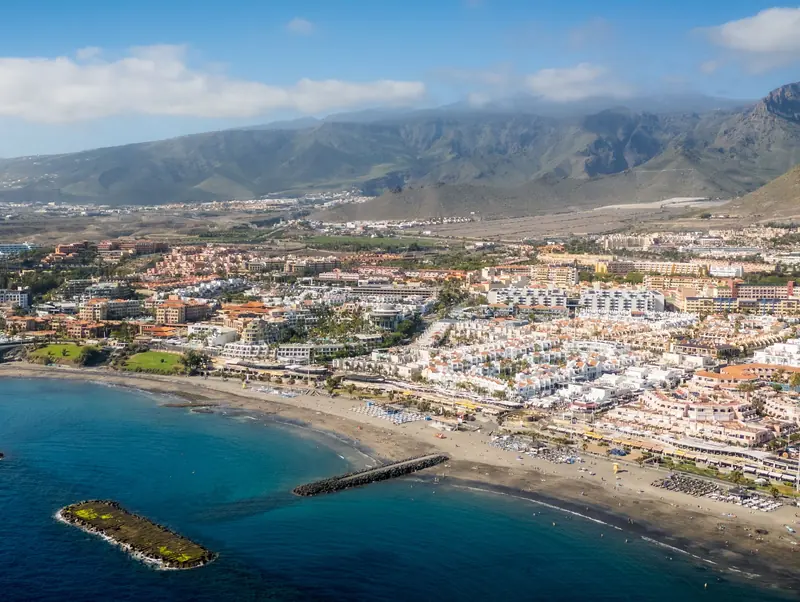
Year-round sunshine, black and golden beaches and Spain's highest mountain, around four and a half hours' flight from London.
- Flight from London
- Around 4.5 hours
- Ideal stay
- 7 nights
- Currency
- Euro (EUR)
- Best for
- Winter sun, beaches, hiking
Why go
Tenerife is one of Europe's favourite places for winter sun, and it's easy to see why. While it's cold and grey at home, the south of the island usually enjoys warm, sunny days, with resorts set up for everything from family holidays to quiet breaks for two.
There's more to it than the beach. Take the cable car up Mount Teide, Spain's highest peak, in the Teide National Park, spot whales and dolphins on a boat trip, or head north to the greener side of the island and the old town of Puerto de la Cruz.
When to go
Tenerife works all year. November to March is the best time for winter sun, with mild, settled weather. Summer is hotter and busier with school holidays, and October brings warm seas with fewer crowds.
Where to stay
The sunny south is where most holidaymakers stay. The north is greener and more traditional, and a little cooler.
Links in this section go to Booking.com. We may earn a commission, at no extra cost to you.
Costa Adeje
Best for couples and familiesThe smartest stretch of the south coast, with good beaches, restaurants and many of the island's best hotels.
Suits couples and families who want a comfortable resort base with plenty of choice. It's close to Tenerife South airport and well placed for boat trips from the south coast.
See places to stay in Costa AdejePlaya de las Américas
Best for nightlifeLively and central, with beaches, bars and plenty of entertainment.
Suits groups of friends and younger travellers who want bars and entertainment within walking distance.
See places to stay in Playa de las AméricasLos Cristianos
Best for a relaxed stayA former fishing town with a sheltered beach and a calmer pace, popular with families and longer stays.
Suits families, older travellers and long winter stays. Whale and dolphin-watching boats leave from here, and it's the port for ferries to La Gomera.
See places to stay in Los CristianosPuerto de la Cruz
Best for local characterOn the north coast, with a historic centre, gardens and a more Spanish feel.
Suits independent travellers who want a real town rather than a resort. Loro Parque is here, and it's a good base for the north, including the UNESCO-listed old town of La Laguna.
See places to stay in Puerto de la CruzTop things to do
Tenerife is more varied than its beaches suggest. Most visitors combine a few days by the pool with trips into the mountains and up the coast.
Teide National Park
UNESCO World HeritageThe national park around Mount Teide, Spain's highest peak, was listed by UNESCO in 2007 and is Spain's most visited national park. A cable car climbs high up the volcano, from a base station at 2,356 m to the upper station, La Rambleta, at 3,555 m, in about eight minutes. Stays at the top are limited to one hour, or up to two hours if you hold a permit for the summit trail.
The summit of Teide
Permit requiredWalking the final trail to the summit (Telesforo Bravo, PNT 10) needs a permit from the national park, even if you've bought a cable car ticket. Since 2026, non-residents also pay a fee. Permits are booked online through the Tenerife ON platform and sell out fast in high season. The permit is in your name, so carry ID.
Whale and dolphin watching
From the south coastBoat trips from Los Cristianos and the nearby resorts head out to see pilot whales and dolphins in the waters off the south-west coast.
Masca and Los Gigantes
For walkersGuided walks follow a trail of around 5km down the Masca gorge to a beach beneath the cliffs, finishing with a boat ride.
La Laguna
UNESCO World HeritageThe historic centre of San Cristóbal de La Laguna was listed by UNESCO in 1999, and many of its streets are closed to traffic. It's linked to Santa Cruz, the island's capital, by tram.
Loro Parque
Puerto de la CruzOne of the Canaries' best-known attractions, on the edge of Puerto de la Cruz in the north of the island.
Travel essentials
Getting around
Tenerife is big and mountainous, so how you get around shapes your holiday.
From the airport
Most visitors fly into Tenerife South, the closest airport to the southern resorts. TITSA public buses link it with Los Cristianos and Costa Adeje, and the express line 343, which runs from Puerto de la Cruz to Los Cristianos via both airports, connects the two airports in about 50 minutes without stopping. Check titsa.com for current timetables.
Buses and tram
TITSA's bus network covers the whole island. In the north, a tram links Santa Cruz with La Laguna.
Hiring a car
A car is the easiest way to reach Teide, Masca and the north coast at your own pace. The mountain roads are steep and winding, so allow plenty of time.
How many days do you need?
A week is the classic Tenerife holiday. It gives you time to relax on the beach and still fit in Teide, a boat trip and a day in the north.
With only three or four nights, pick one base and one or two big trips. Ferries from Los Cristianos to La Gomera take around 50 minutes, so a longer stay can include a day on a second island.
Budget tips
Tenerife can suit most budgets, and the island's tax rules help a little.
Lower sales tax
The Canary Islands charge their own sales tax, IGIC, at a general rate of 7%, instead of mainland Spain's 21% VAT.
Use the bus
TITSA buses cover the whole island, including the route from Tenerife South airport to the main southern resorts, so you may not need a car or taxi for every trip.
Book Teide early
Summit permits are limited and sell out fast in high season, so book as soon as your dates are fixed.
Tipping
Tipping is optional in Spain. Rounding up or leaving a little cash for good service is appreciated but not expected.
Tenerife FAQ
How many days do you need in Tenerife?
A week is ideal for beach time plus Teide, a boat trip and a day in the north. Three or four nights works for a short winter-sun break.
Which part of Tenerife is best to stay in?
The south (Costa Adeje, Playa de las Américas, Los Cristianos) is sunnier and set up for holidays. The north, around Puerto de la Cruz, is greener and more traditional.
Do you need a permit to climb Mount Teide?
Yes, for the summit trail (PNT 10). A cable car ticket does not include summit access, and non-residents also pay a fee since 2026. Book online in advance.
How long does the Teide cable car take?
The ride up takes about eight minutes, from the base station at 2,356 m to La Rambleta at 3,555 m. Stays at the top are limited to one hour, or two if you hold a permit for the summit trail.
Do I need a car in Tenerife?
Not if you'll mostly stay in your resort, as TITSA buses cover the island. A car makes it much easier to explore Teide and the north.
When is the best time to visit Tenerife?
Any time of year. November to March is best for winter sun, and October brings warm seas with fewer crowds.
Comments and tips
Been there, or planning a trip? Share a tip, ask a question or add a photo. Every comment is read before it appears.
No comments yet. Be the first to share a tip.
Comments are not open just yet. Please check back soon.
Ready for Tenerife?
Compare hotels, all-inclusive resorts and apartments across the island and lock in your dates.
See places to stay in TenerifeWe may earn a commission if you book, at no extra cost to you.