
Gran Canaria
Dunes, mountains and sheltered beaches on one island, around four and a half hours' flight from London.
- Flight from London
- Around 4.5 hours
- Ideal stay
- 7 nights
- Currency
- Euro (EUR)
- Best for
- Winter sun, beaches, scenery
Why go
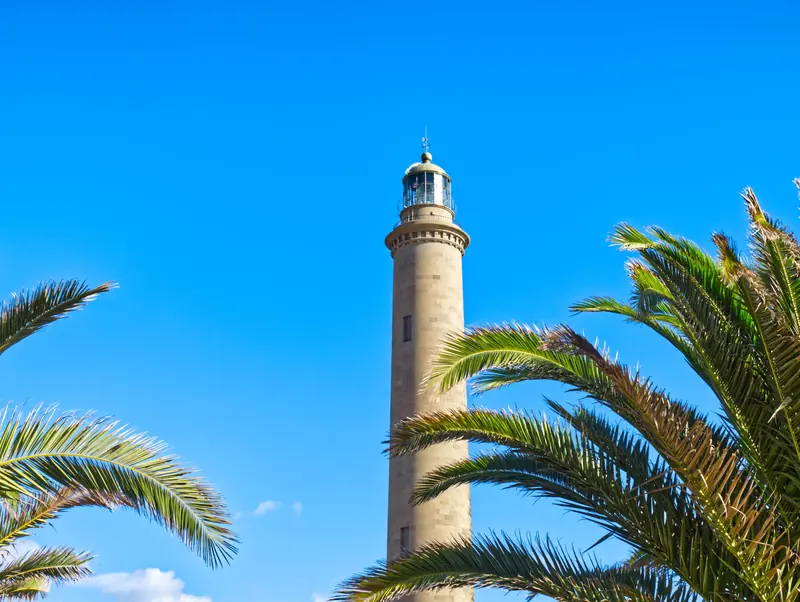
Gran Canaria packs a lot into one island. In the south, the Maspalomas dunes cover about 400 hectares beside a lighthouse that dates from 1890. Inland, the land rises to the pine forests of the Nublo Rural Park and the monolith of Roque Nublo, almost 90 metres tall from its base.
The weather is a large part of the appeal. The island's tourist board gives average annual temperatures of 18 to 25 degrees and nearly 3,000 hours of sunshine a year, helped by trade winds that also stop the summers getting too hot. Temperatures vary by several degrees across the island, so the highlands can feel much cooler than the coast.
When to go
Gran Canaria works in any month. The sea runs from about 18 degrees in winter to around 22 for the rest of the year, and summer temperatures sit near 24 degrees thanks to the sea breezes. Winter is when many UK visitors come to escape the cold, so the south is a popular choice then. Take a warm layer if you plan to visit the mountains.
Where to stay
Most visitors stay on the sunny south coast, but the capital and the south-west offer a different pace.
Links in this section go to Booking.com. We may earn a commission, at no extra cost to you.
Playa del Inglés and Maspalomas
Best for first-timersThe heart of the south coast, where the long Maspalomas beach begins and the dunes lie behind it.
Suits first-time visitors who want everything close at hand. Bus 66 runs from the airport straight to the area, and the seafront promenade leads on to Meloneras.
See places to stay in Playa del Inglés and MaspalomasMeloneras
Best for a quieter beachA small cove at the western end of the Maspalomas seafront, linked to Maspalomas by a promenade.
Suits couples and anyone who wants a quieter beach. The tourist board describes it as popular with people looking for rest.
See places to stay in MelonerasPuerto de Mogán
Best for familiesA fishing village on the south-west coast, with canals and a marina of 225 berths.
Suits families and couples who like a small harbour town. The tourist board describes the beach as small and sheltered, not too big, and a cosy place for children.
See places to stay in Puerto de MogánLas Palmas de Gran Canaria
Best for city and beachThe island's capital, with the historic Vegueta quarter and the city beach of Las Canteras.
Suits visitors who want a city break with a beach. Bus 60 runs there from the airport, and Las Canteras has three kilometres of sand.
See places to stay in Las Palmas de Gran CanariaTop things to do
Gran Canaria offers dunes, mountains, a historic capital and a harbour village within a short drive of each other.
Maspalomas Dunes
Nature reserveA dune field of about 400 hectares beside the lighthouse. The Masdunas conservation project is rehabilitating 8 km of paths and tracks marked with signs and bollards, so keep to the marked routes. Take water and a hat.
Roque Nublo
Hiking, book aheadA monolith of almost 90 metres from its base, protected as a natural monument inside the Nublo Rural Park, which covers about 26,300 hectares and includes pine forests. The tourist board says access needs an advance booking, with entry between 10:00 and 17:00, so check before you go.
Vegueta
Old townThe historic quarter of Las Palmas, where narrow streets have stood for more than 500 years. Allow a morning to wander its streets.
Las Canteras
City beachThree kilometres of golden sand beside the city. A natural rocky reef known as La Barra shelters much of the beach from the waves, which makes it a good place to swim and snorkel.
Puerto de Mogán
Harbour villageA fishing village with canals on the south-west coast. Walk the waterfront and stop for lunch by the harbour.
Risco Caído and the Sacred Mountains
UNESCO siteA cave complex and archaeological landscape on UNESCO's World Heritage list. It covers much of the summit area and parts of Tejeda, Artenara, Gáldar and Agaete.
Travel essentials
Getting around
Gran Canaria is easy to explore by bus if you stay in the south or the capital. The highlands need more planning.
From the airport
Global, the island's bus operator, runs line 66 from the airport's international departures area straight to the south, calling at Playa del Águila, San Agustín, Playa del Inglés and Campo Internacional before it ends at the Maspalomas lighthouse. Line 60 goes to the San Telmo bus station in Las Palmas and can continue to Santa Catalina, near Las Canteras. Times differ between sources, so check Global's current timetables.
Into the mountains
Buses reach many towns, but services thin out in the highlands. A hire car gives you more freedom for Roque Nublo and the pine forests, and temperatures can drop noticeably at height, so take a layer.
On foot
A seafront promenade links Meloneras and Maspalomas, and the dunes have marked routes. Wear sun protection, as there is little shade among the dunes.
How many days do you need?
A week is the classic Gran Canaria holiday. It gives you time for the beach and the dunes, a day in Las Palmas and a day in the mountains around Roque Nublo.
With four or five nights, choose the south or the capital as a base and plan one excursion. Stay longer to add Puerto de Mogán and the Risco Caído sites, and leave a spare day in case a booking for Roque Nublo is hard to get.
Budget tips
Gran Canaria suits a range of budgets, and the Canary Islands' tax rules help a little.
Lower sales tax
The Canary Islands charge their own sales tax, IGIC, at a general rate of 7%, instead of mainland Spain's 21% VAT.
Use the buses
Global's lines link the airport with the main southern resorts and with Las Palmas, which saves on taxis if you don't need a car for your whole stay.
Enjoy the free sights
The beaches, the dunes and the old streets of Vegueta cost nothing to enjoy. Book Roque Nublo early, as access needs an advance booking.
Tipping
Tipping is optional in Spain. Rounding up or leaving a little cash for good service is appreciated but not expected.
Gran Canaria FAQ
How many days do you need in Gran Canaria?
A week suits a mix of beach days, Las Palmas and the mountains. Four or five nights works for a shorter winter-sun break.
Do you need to book to visit Roque Nublo?
Yes. The island's official tourism website says access now needs an advance booking, with entry between 10:00 and 17:00. Check the current rules before you travel.
How do you get from Gran Canaria airport to Maspalomas?
Take Global bus 66 from the airport's international departures area. It calls at Playa del Águila, San Agustín and Playa del Inglés and ends at the Maspalomas lighthouse.
Is Las Canteras good for swimming?
It can be. A natural reef called La Barra shelters much of the three-kilometre beach from the waves. Check the flags and conditions on the day.
Which beaches are sheltered on Gran Canaria?
Amadores is protected by two breakwaters and has about 500 metres of artificial sand, and Puerto de Mogán has a small sheltered beach. Check conditions on the day.
Comments and tips
Been there, or planning a trip? Share a tip, ask a question or add a photo. Every comment is read before it appears.
No comments yet. Be the first to share a tip.
Comments are not open just yet. Please check back soon.
Ready for Gran Canaria?
Compare hotels, apartments and all-inclusive resorts across the island and lock in your dates.
See places to stay in Gran CanariaWe may earn a commission if you book, at no extra cost to you.