Tenerife, Canary Islands
North or south? How to choose where to stay in Tenerife
Tenerife isn't one place with one climate. Here's how I'd think it through before booking a bed.
Links to Booking.com on this page may earn us a commission, at no extra cost to you.
Ask around about where to stay in Tenerife and most answers point south, because that's where most holidaymakers end up. It's a sensible default. But the island is bigger and more varied than the brochure photos suggest, and a few minutes of thinking about the kind of trip you want can save you a week in the wrong place.
I'll walk through the main areas the way I'd do it if I were planning your trip: weather first, then the character of each place, then the practical bits like airports, buses and Mount Teide. You'll find links to our Tenerife guide along the way if you want the short version.
Start with the weather you want
Tenerife's weather splits along a line you could almost draw with a ruler. Spain's national tourism site explains how it happens: the mountains on the north side of the island stop the clouds that the trade winds push along, which is how Tenerife's famous sea of clouds forms. The result is a cooler, greener north and a drier, sunnier south, the same split our guide describes.
That's why our guide calls November to March the best time for winter sun, with the south doing most of the heavy lifting. If you're escaping a grey British winter and mostly want to sit outside, the south is where the odds are best. If you'd rather walk, wander through gardens and don't mind a cloudier morning now and then, the north starts to look very attractive.
The south: Costa Adeje, Playa de las Américas and Los Cristianos
Most of the south's resorts are within a short drive of Tenerife South airport, which is the closest airport for this side of the island. From there, each area has its own personality.
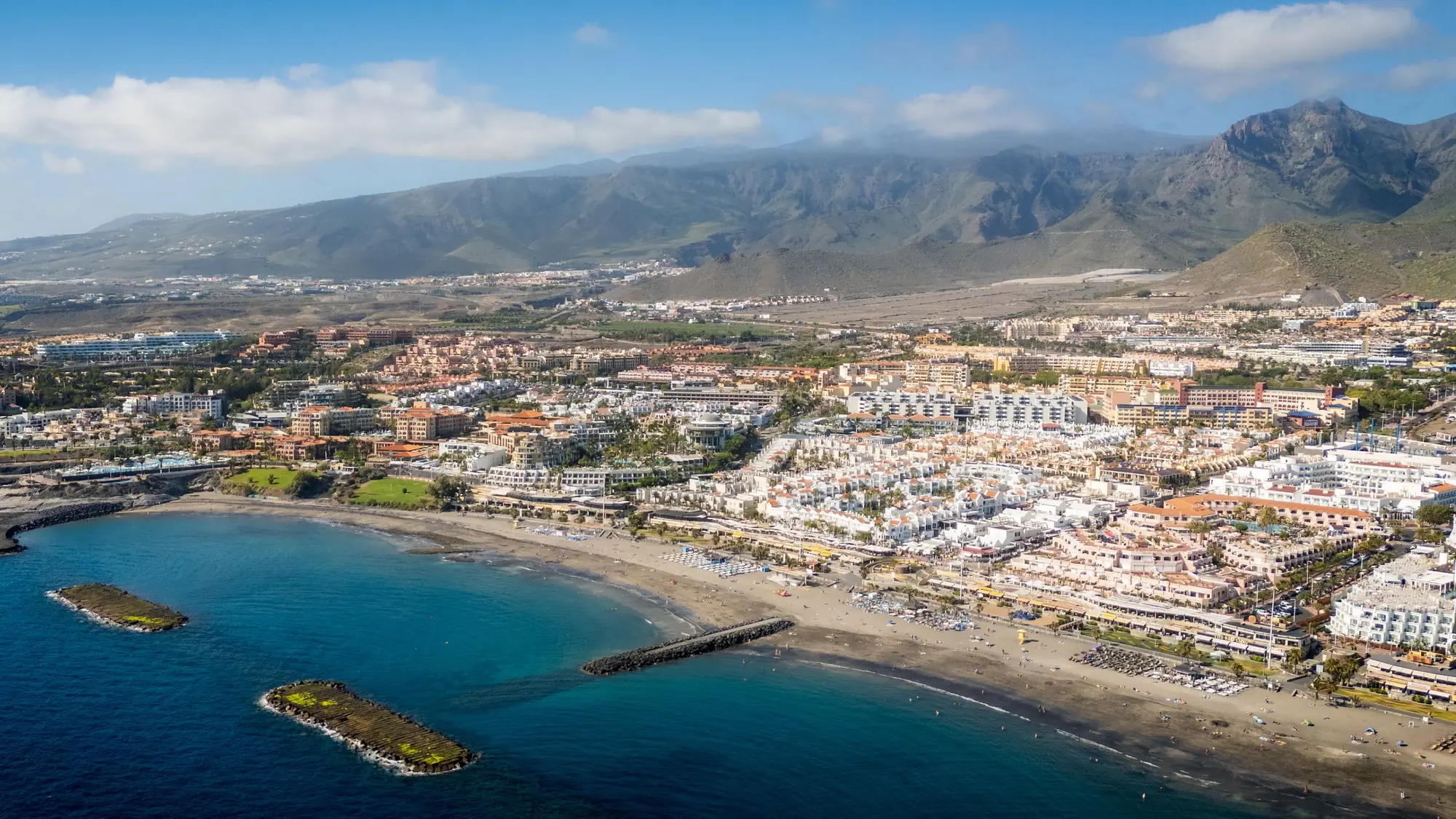
Costa Adeje is the smartest stretch of the south coast, with good beaches, restaurants and many of the island's best hotels. It suits couples and families who want a comfortable resort base with plenty of choice, and it's well placed for boat trips. See places to stay in Costa Adeje.
Playa de las Américas is lively and central, with beaches, bars and plenty of entertainment within walking distance. If you're travelling with friends and you want the evening to start the moment you step out of the hotel, this is your area. See places to stay in Playa de las Américas.
Los Cristianos is a former fishing town with a sheltered beach and a calmer pace. It's popular with families, older travellers and people spending a long winter on the island. Whale and dolphin-watching boats leave from here, and it's the port for ferries to La Gomera, which our guide says take around 50 minutes. See places to stay in Los Cristianos.
One detail I found useful: an island government coastal study describes the stretch between Los Cristianos and Las Américas as highly urbanised, and says the northern part of Adeje's coast is the least urbanised area, with traditional spots and quiet beaches. So even within the south there's a choice between busy and calm.
Match the area to the evenings you imagine, not just the beach you've seen in a photo.
The north: Puerto de la Cruz
If you want a real town rather than a resort, look at Puerto de la Cruz. Spain's national tourism site (spain.info) describes Puerto de la Cruz as a traditional resting place and one of the island's major tourist centres, and credits its early tourism growth partly to an excellent climate and the landscape of the Orotava Valley.
There's a practical catch worth knowing about. The same source explains that the Lago Martiánez seawater pools are popular because the sea along this coast is often rough, which makes bathing in the ocean inadvisable at various times of the year. So if swimming in the sea every single day is the whole point of your holiday, the south is the easier bet. If you're happy with a pool, a promenade and a historic centre, the north has a lot going for it.
Our guide adds that Loro Parque is here, and that Puerto de la Cruz works as a base for the north, including the UNESCO-listed old town of La Laguna. See places to stay in Puerto de la Cruz.
Getting around once you've picked
The island is big and mountainous, so it's worth thinking about transport before you choose a base. TITSA, the island's bus company, lists several routes that serve Tenerife South airport. One example is the night line 711, which runs from Santa Cruz via the airport to Los Cristianos and Costa Adeje, and stops at the departures terminal on the way to Costa Adeje. Our guide also mentions the express line 343, which connects the two airports in about 50 minutes. Check titsa.com for current timetables before you rely on a particular bus.
If you want to reach Teide, Masca and the north coast at your own pace, a hire car is the easiest way, according to our guide. The mountain roads are steep and winding, so give yourself plenty of time.
Plan Teide before you pick the hotel
Whichever side you choose, you'll probably want a day on Mount Teide. The cable car climbs from a base station at 2,356 m to the upper station at La Rambleta, at 3,555 m, and the cable car operator's own history page says the cabins reach the top in under eight minutes. The summit itself is at 3,718 m.
Here's the part people miss: the cable car ticket doesn't get you to the summit. The final stretch of the Telesforo Bravo trail from La Rambleta is regulated by the Cabildo de Tenerife, and the official information about access and the rules is on the official Tenerife ON page for the Telesforo Bravo trail. Rules, booking windows and daily limits have changed over the years, so look at the official pages for current details before you build a day around a summit morning. Our guide says permits are in your name, so carry ID.
So where would I book?
If I had to boil it down to a few lines:
- Couples or families after resort comfort: Costa Adeje.
- Friends who want nightlife on the doorstep: Playa de las Américas.
- A slower pace, long winter stays or the La Gomera ferry: Los Cristianos.
- A town with gardens, a greener and cooler base: Puerto de la Cruz.
And if you're still undecided, remember you don't have to stay in one place all week. Many visitors pick a base and add day trips to Teide, Masca or a whale-watching boat, which is exactly how our guide suggests combining a few days by the pool with trips into the mountains.
Thinking about the rest of the Canaries? Our winter sun collection puts Tenerife next to Lanzarote and the Red Sea, so you can compare.
Planning this trip? Read our Tenerife guide for the full picture.
Links to Booking.com on this page may earn us a commission, at no extra cost to you.